

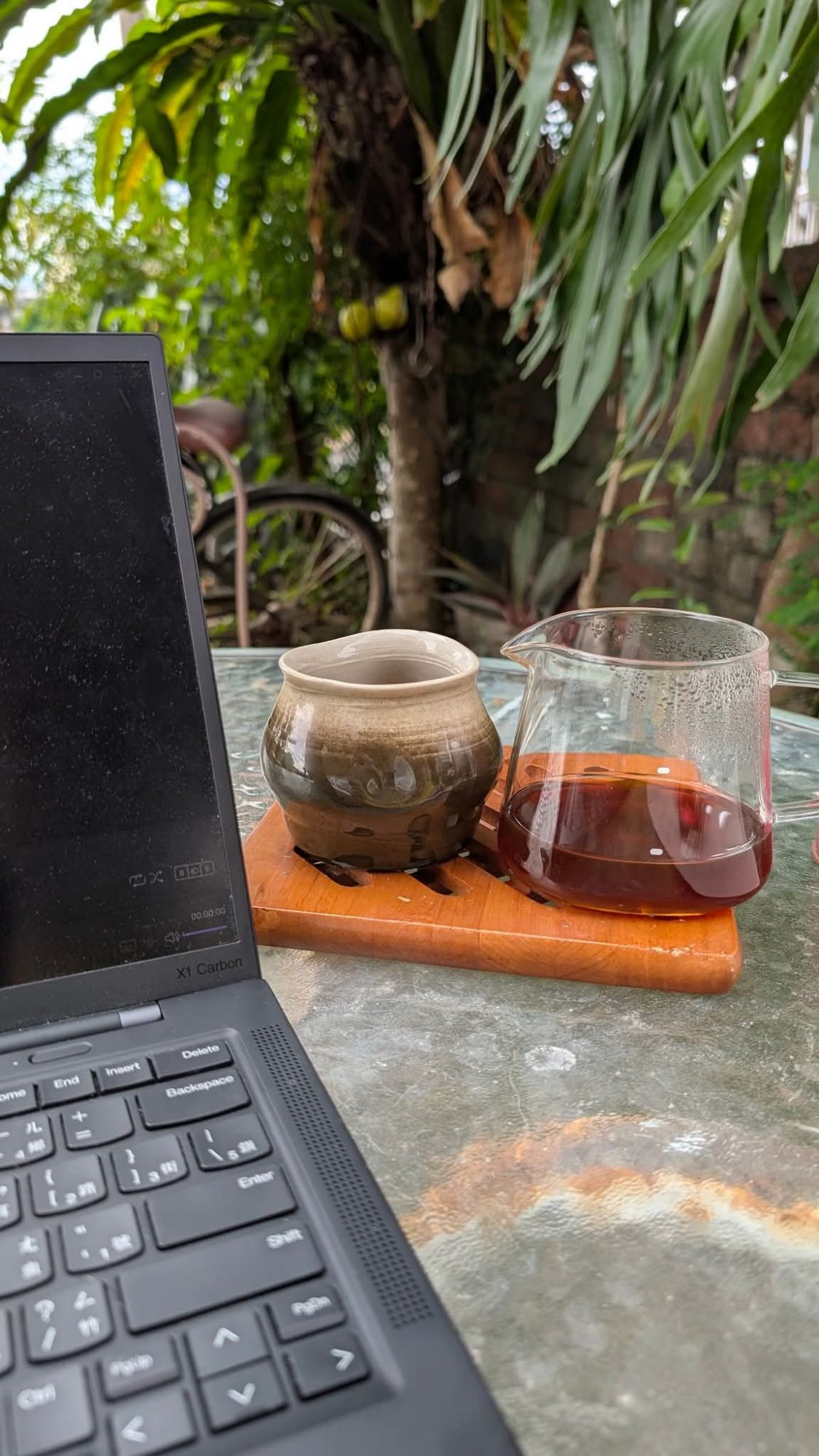

For many people, drinking coffee is just a habit, but few people really understand the history and knowledge behind this cup of black liquid.
From its birth to today, coffee has gone through a long journey of cultural and medical evolution.
In ancient times, coffee was actually used as medicine!
When coffee was first discovered and used by Arabs, it was not used to enjoy its aroma or as a side dish, but as a "medicine".
In the 15th century, Yemeni Sufi monks would drink coffee to stay awake while chanting scriptures at night, which is also the origin of coffee culture.
Doctors at the time believed that coffee had the properties of warming the stomach, aiding digestion and refreshing the mind, so it was regarded as a medicinal drink and recorded in medical books.
As coffee entered the Ottoman Empire and Europe, it gradually transformed from a medicinal use to a daily beverage, and coffee houses were born as social venues for the exchange of ideas.
Modern people are not comfortable drinking coffee, and the real culprit may not be coffee!
Many people think that coffee hurts the stomach or easily causes discomfort, but in fact the reason is often not the coffee itself, but the way it is consumed and the ingredients it is paired with.
1. Lactose intolerance and drinking on an empty stomach
East Asians generally have a lactase deficiency, so consuming large amounts of milk or cream can easily cause discomfort, especially drinking latte or coffee with milk on an empty stomach, which can easily cause bloating, diarrhea, or indigestion.
Therefore, Taiwanese children should stop drinking too much fresh milk for breakfast, as that will only put too much burden on their stomachs.
2. Caffeine and stomach acid
The caffeine in coffee does stimulate stomach acid secretion, but this response varies from person to person.
For most people, moderate coffee consumption will not cause serious damage to the stomach, as long as you avoid drinking it on an empty stomach.
The Hidden Problems of Commercial Beans and Roasting
A large amount of cheap coffee beans on the market come from large-scale commercial production. In order to reduce costs, merchants do not carefully select the beans, resulting in a higher proportion of defective beans. These damaged or moldy beans will produce burnt bitter taste and undesirable compounds when roasted.
If the baking is excessive or the high temperature is out of control, undesirable by-products such as acrylamide or polycyclic aromatic hydrocarbons may be formed.
Although the health risks of daily drinking still need to be comprehensively evaluated, long-term consumption of burnt coffee is not good for your body or taste buds.
In order to cover up these flavor defects, merchants add large amounts of syrup, creamer or spices to many coffee drinks to make them smoother to consumers; however, the intake of high sugar and high milk actually increases the burden on the stomach and metabolism.
Better coffee choices and ways to drink it
If you want to drink coffee healthily and enjoy its flavor, you can pay attention to the following points:
1. Choose the right beans
Choose beans with clear labels indicating the origin, processing method and roasting date, and observe whether the aroma is natural and pure.
2. Avoid burnt bitterness
Avoid beans that are obviously burnt or roasted too dark. For those who don't know much about roasting, medium roast or medium-light roast are safer and more stable choices.
3. Black first, then tone
When trying a new coffee shop for the first time, order a black coffee first to confirm the quality of the beans before deciding whether to add milk or sugar.
4. Avoid drinking on an empty stomach
Drinking coffee half an hour to an hour after a meal is friendlier to your stomach.
5. Control your caffeine intake
The caffeine content of 2-3 cups of pour-over coffee per day is safe for most people.
Coffee has evolved from an ancient monk's "prescription" to today's daily drink. It is both a culture and a science.
The true charm of coffee should not be entirely due to the sweet taste created by syrup and cream, but the layers and aroma of the beans themselves.
When we understand its history and science, we can find a balance with coffee that can refresh and delight us without putting extra strain on our bodies.
This website does not have those annoying ads that block the webpage and hinder reading!
If you think my article is helpful to you, you can joinOfficial Line@, allowing me to better understand everyone’s needs and write more high-quality content.