

I brew a pot of plum blossoms for you, and my thoughts and feelings are deeply buried.
I believe that plum wine is a product that many people love! The simplest brewing method, soaking is the most popular. After all, the flavor is easy to control, and it is not easy to fail. As long as you pay a little attention to a few small things, everyone can brew a unique good wine recipe.
March in early spring is the season for green plum production, and the most delicious time to make plum wine is before the Qingming Festival, before it starts to rain. The first plums picked will have the most delicious levels of acidity.
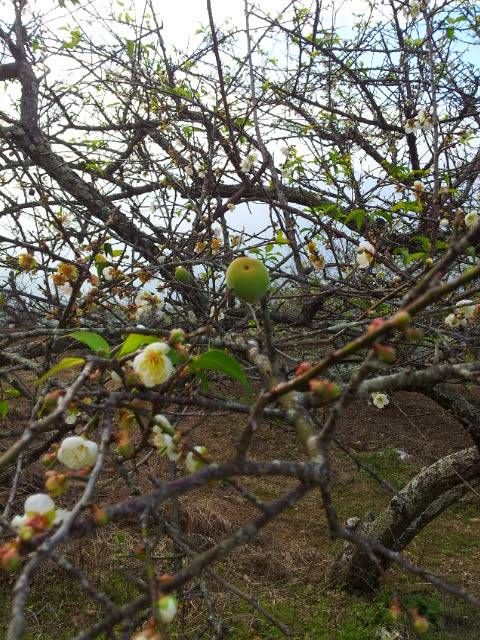
Instead of waiting for the peak of the production season, which is a cheaper and more mature period, the rainy season has already begun. Plums that have been beaten by the rain will easily become overripe and rotten!
Why is the plum rainy season called "Meiyu"? In fact, this is a unique weather phenomenon in East Asia. The "plum" in the rain refers to "yellow plums". The word "meiyu" comes from central China. Every year in June and July, Central China will enter a flood season, with a humid, rainy and prone to flooding. This period happens to be the ripening season of yellow plums, so it is known locally as "Meiyu".
The causes and mechanisms of the peak rainfall in Taiwan and South China in May and June every year are very similar to the "Meiyu" in central China. Taiwanese scholars began to call the rain during this period "Meiyu" and included it in domestic meteorological research. It is widely used in the field, making the term "Meiyu" leap to the international level and becoming a familiar term to the public today.
The rainfall pattern and mechanism of the plum rainy season are significantly different from the "spring rain" in March and April, which occurs during the Qingming Festival. The two are completely different weather phenomena.
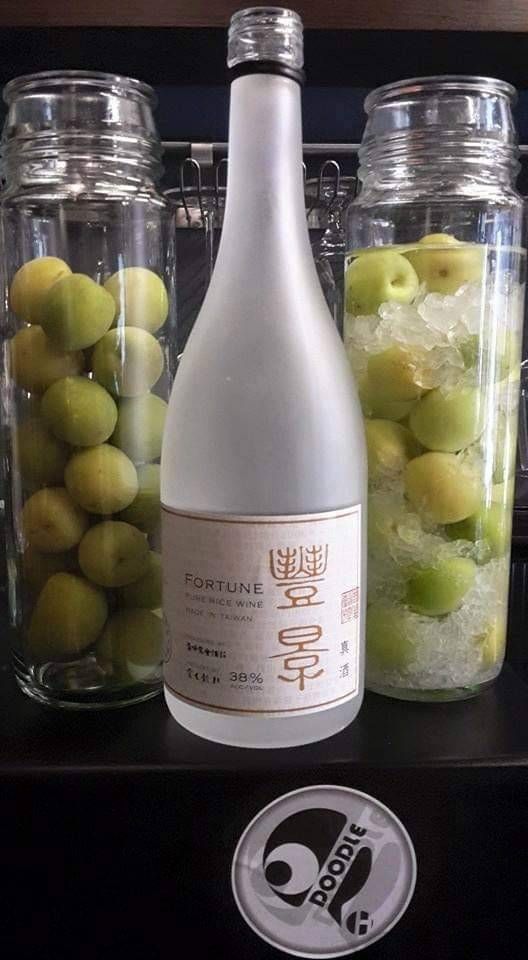
Compared with the continuous drizzle of spring rain, plum rain is much more severe and prone to highly disaster-causing heavy rainfall. It is the second largest weather disaster after typhoons.
However, the term "spring rain" is generally rarely used, so whenever it rains for many days, it is commonly known as the "rainy season"; it is also jokingly called "mildew rain" because home appliances were not popular in previous years. All kinds of clothing in your home are prone to mold due to long-term moisture.
It has been a long time since I made plum wine, but it happened to be the spring plum season. I found some old pictures from previous years to teach you what to pay attention to when making soaked plum wine, and some tips to help you quickly Master the finished product after brewing.
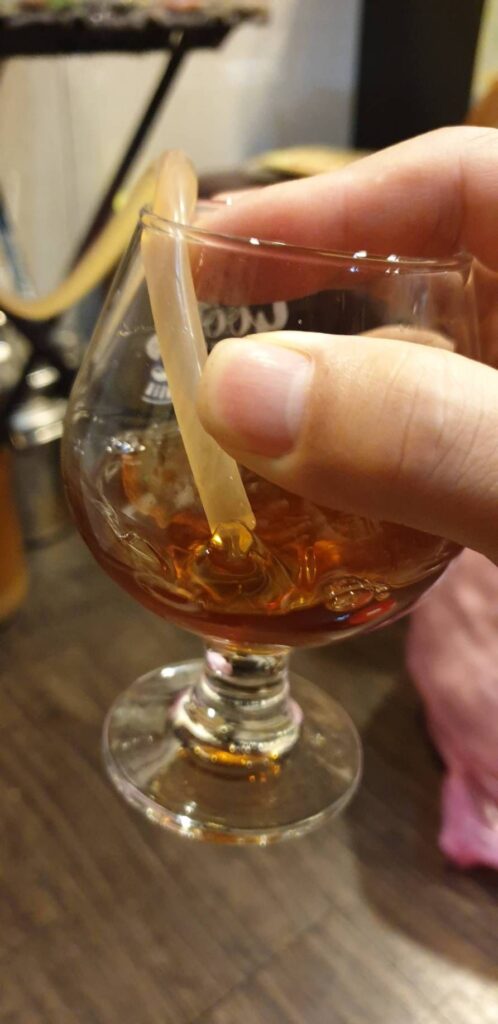
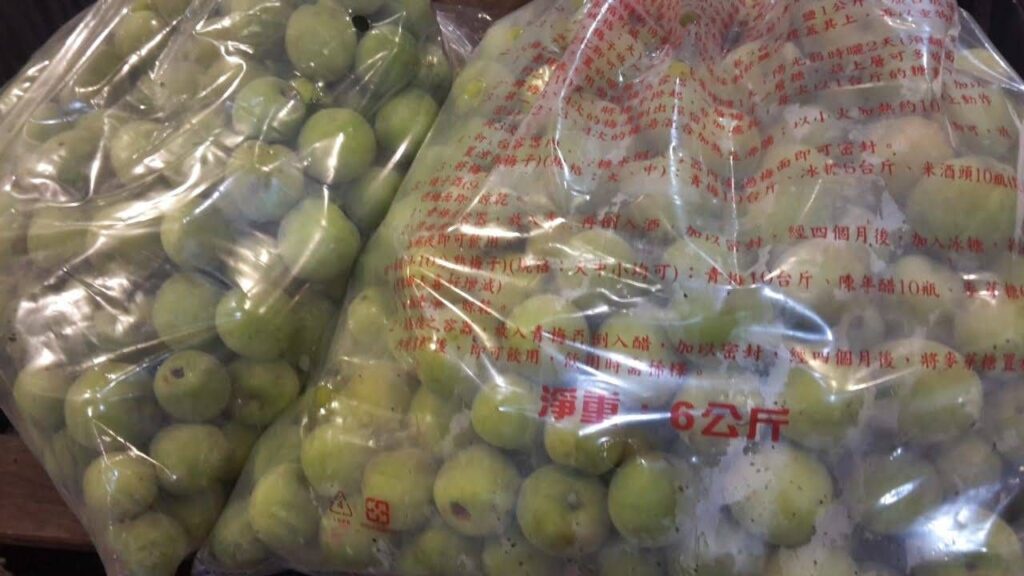
If they are not wild plums in remote mountains, but green plums bought from the market, they look shiny and beautiful, but usually contain a lot of pesticides on the surface, so they need to be cleaned first. The simplest way is to use liquid to clean them first. Simply wash away the dust and impurities on the surface with water, then soak it with some baking soda for a while, then clean it thoroughly, pick it up and put it on a shelf, and use a fan to dry it quickly.
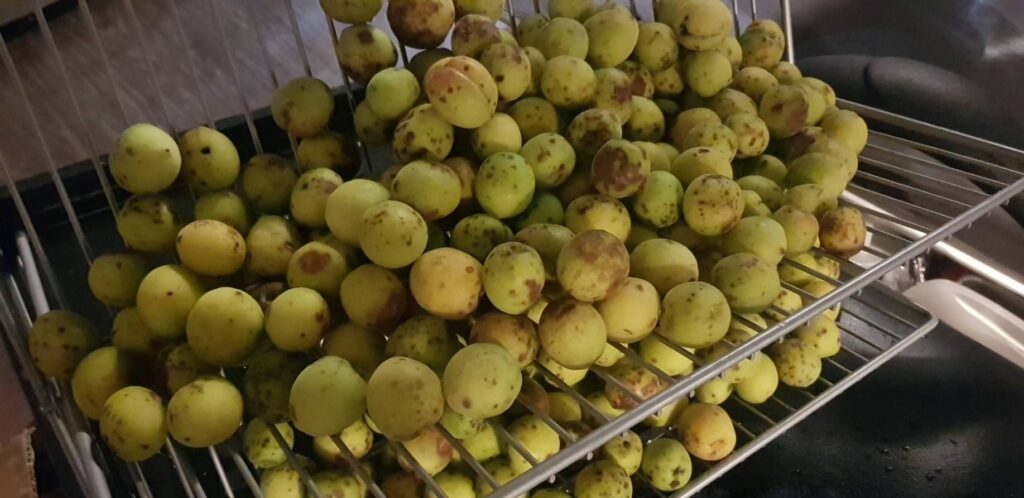
Something to note here is that baking soda is alkaline and can be used to neutralize acidic substances. Although it is very effective in removing pesticide residues, soaking it for too long will reduce the acidity of your green plums. I soaked it for about 15 minutes. Just rinse it off.
Another most important thing to note is that when soaking, be sure not to take off the stem of the green plum. There is an external switch. It is the same as when soaking and cleaning with flour. It is not easy to clean the surface dirt. But because the pedicle was removed in advance, all the dirt that was washed out of the surface was poured in through that hole. Isn't it even more stupid?
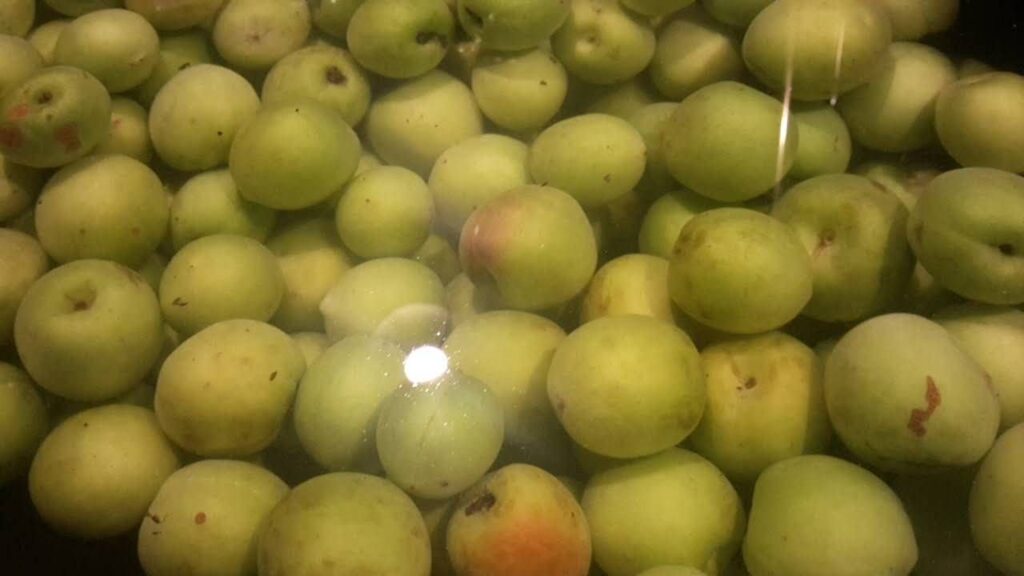
After cleaning the dried green plums, it is best to soak them for brewing as soon as possible, because after the pectin film on the surface is cleaned, it will easily start to rot if left for too long, so don’t wait too long before taking care of it. !
When brewing plum wine, in addition to its sweet and sour body, there is of course the most charming peripheral product "sake plum wine". I believe that many people drink plum wine and love this by-product with a rich taste after toasting.
After drying, of course, you need to remove the stems and prepare a completely sterilized jar for soaking, as well as sugar and soaking wine. It is easiest to use a toothpick to remove the stems. Then, do you want to process your plums to make the subsequent by-products more delicious?
Let me introduce the process of plum blossom brewing in spring using three different processing methods in high concentration 50~60% alcohol after half a year.
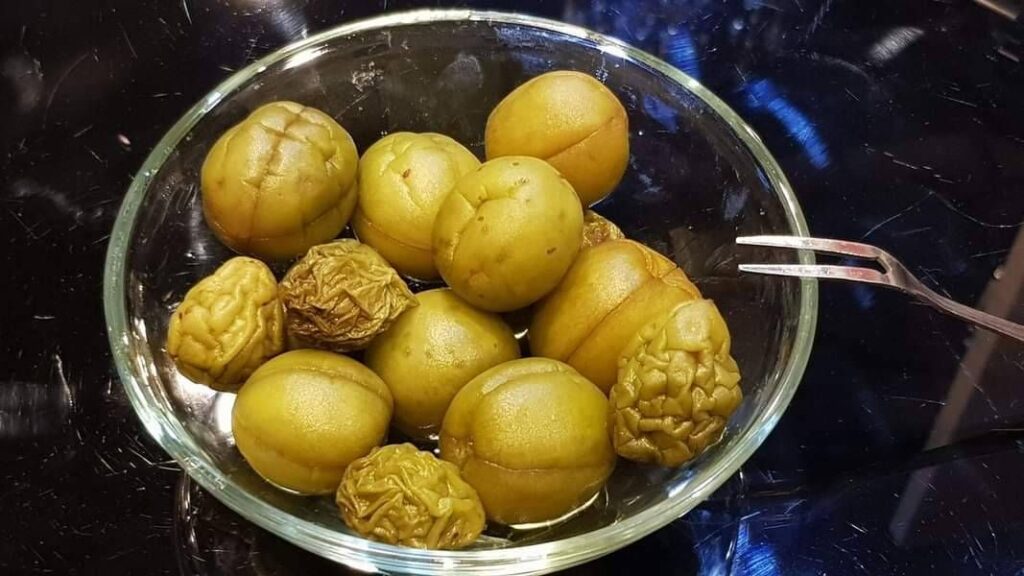
The plump ones are the largest and plumpest. They are cut twice into four pieces. They have soaked up a lot of wine and have a slightly soft texture. The wine is very strong after eating one!
Shrunk into a wrinkled ball, they are intact plums that have not been processed by a knife. They contain the smallest amount of alcohol and have a dry taste, just like biting into candied plums that are not too sweet. There is no alcohol taste at all, which is very suitable for those who don't drink well. A greedy person.
It is complete, but you can see bits and pieces on it. It is the plum that has been pricked all over with needles. It is also the most labor-intensive plum. The wine is very strong, and the outer skin is not damaged too much, forming a chewy texture. When you take a bite, it feels like an explosion of juice. It feels like it suddenly exploded in your mouth, like all the essence is wrapped up and presented to you. This is also my favorite taste!
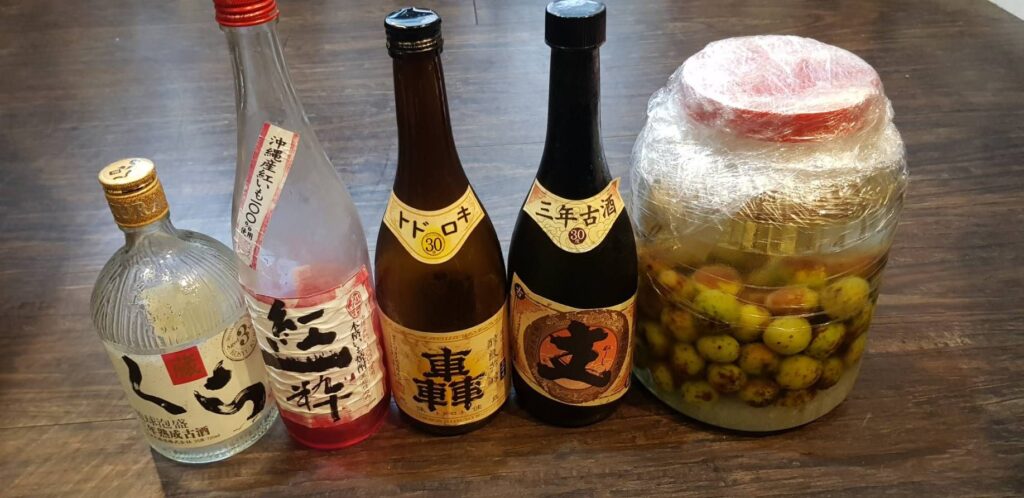
The soaking method of adding sugar can also be divided into adding sugar at the beginning, and then putting it in a cool corner and not caring about it; there is also the method of adding a small amount first, and then adding sugar after opening it for two or three months. The difference lies in the pressure issue, and it is easier to adjust. Your preferred sweetness.
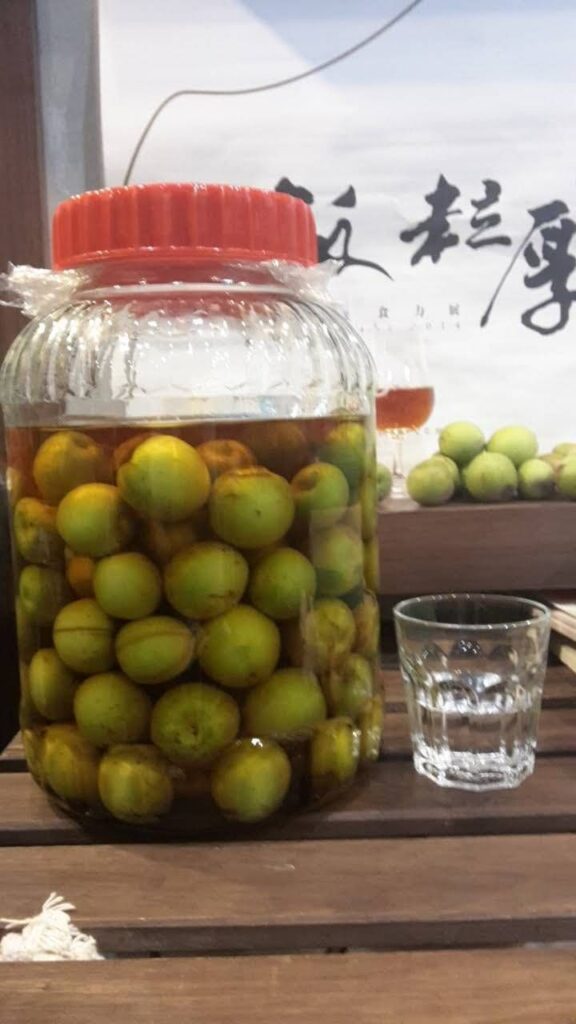
If you have already processed and drilled holes in the pulp of each plum, then just add sugar in one go. Unless you just want to get the wrinkled prunes, you can do it.
After writing such a long paragraph, I should have clearly explained in detail the precautions for soaking in plum wine!
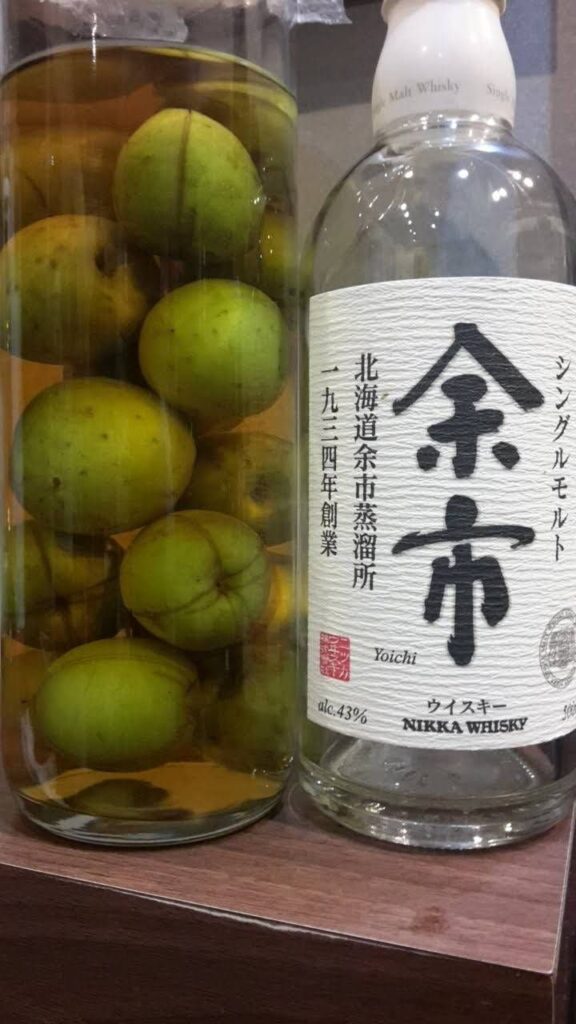
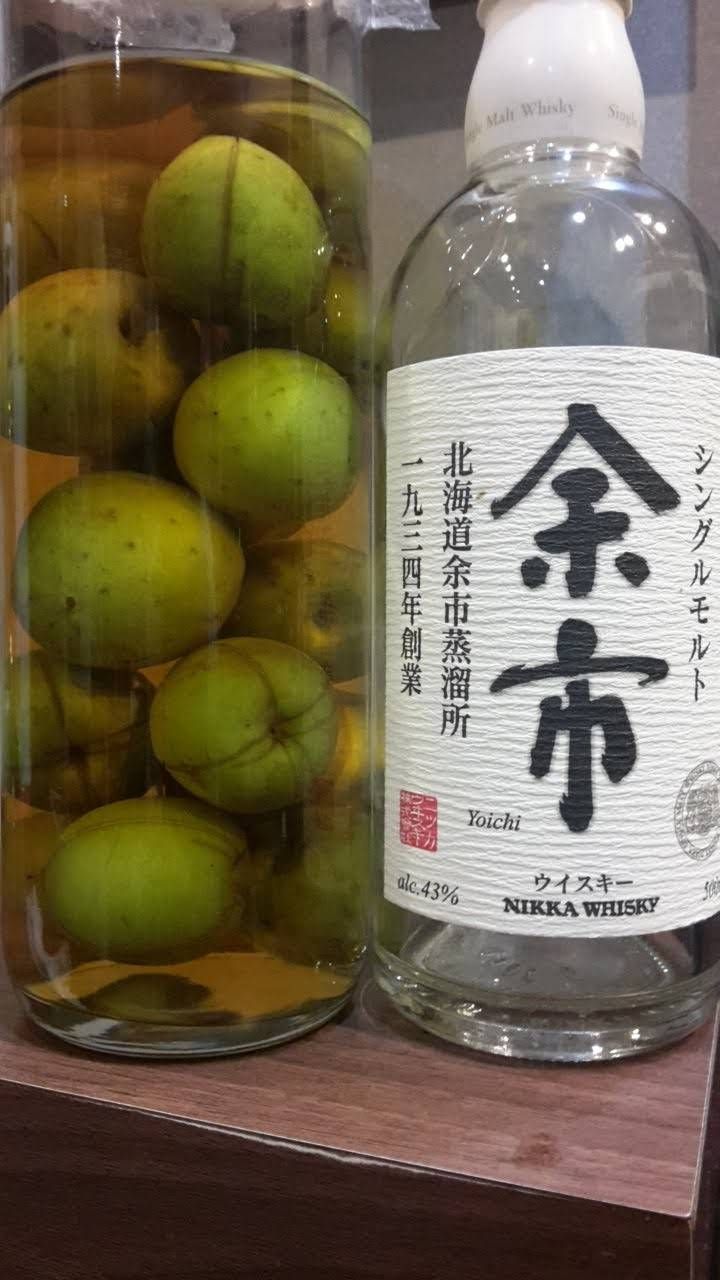
So Yoichi was used to brew plum wine.
The Qingming rainy season is coming soon, so if you want to get the best plum wine with multiple levels of sourness and sweetness, after reading this article, before the spring plums get wet from the rain, go out and buy the first brew immediately!
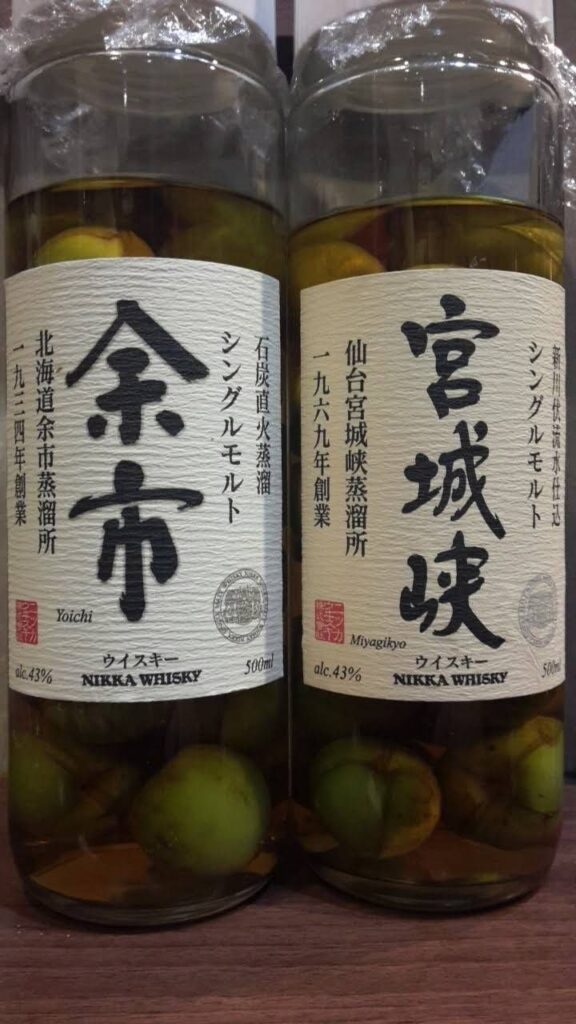
How could he let his partner Miyagikyo go?
Time has passed by for half a year, and it will be tomorrow to see you in Kaifeng!
For the most delicious wine using the plum soaking method, I would recommend a slightly sweet ginjo, or a whiskey with a slight peat flavor, as the flavor will be softer.
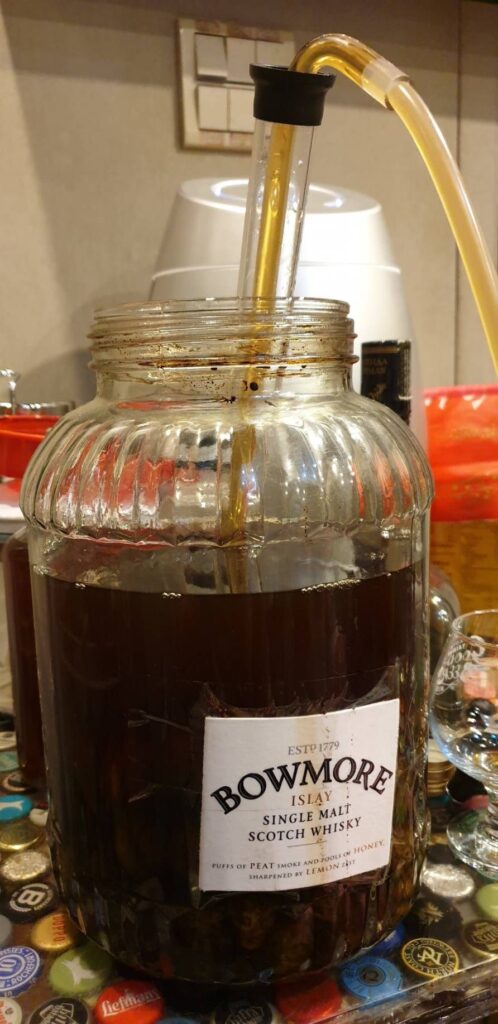
The plum wine produced has the best flavor among them all.
As for the sorghum and rice wine that grandmas love most, the alcohol taste is too strong and requires a lot of sugar to suppress it, otherwise it will easily turn your taste buds into a bitter taste!
This website does not have those annoying ads that block the webpage and hinder reading!
If you think my article is helpful to you, you can joinOfficial Line@, allowing me to better understand everyone’s needs and write more high-quality content.